7 of Top 10 Food Channels Have Zero Brand Deals — Tzuyang Has 25%, Yet Views Stay the Same

Key Takeaways
- · 음식 카테고리 상위 10채널 중 7개가 협업 비율 0%인 상황에서, 쯔양의 25%(11건)는 나머지 9개 채널 합계(6건)를 넘는 독보적 수치입니다.
- · 협찬 영상 평균 조회수 153만과 비협찬 152만은 사실상 동일하며, 이는 호기심 기반 제목 전략과 포맷 통합의 결과입니다.
- · 비식품 브랜드(가전, 금융, 배달앱) 협업 평균 조회수가 식품 브랜드보다 1.6배 높아, 크로스 카테고리 전략의 효과를 보여줍니다.
- · ASMR 중심의 대형 음식 채널은 포맷 특성상 브랜드 협업이 구조적으로 어려우며, 이야기 기반 포맷이 상업적 확장성을 결정합니다.
Dhesy analyzed the top 10 food channels by subscribers over three months and found that Tzuyang's brand deal ratio of 25% was 14 times higher than the average of the other nine channels (1.8%). Her sponsored video average of 1.53M views was virtually identical to her non-sponsored average of 1.52M.
7 of the Top 10 Food Channels Have Zero Brand Deals
Tzuyang's 11 brand deals in three months exceed the combined total (6) of the other nine channels.
The top 10 food channels by subscribers on YouTube Korea are DONA (33.6M), Jane ASMR (18.4M), Hongyu ASMR (16.8M), Seulgi (16.3M), GONGSAM TABLE (15.4M), Hamzy (14.1M), Tzuyang (13.1M), Ssoyoung (12.3M), SIO ASMR (11.1M), and Eat with Boki (10.9M). By subscriber count, Tzuyang ranks seventh.
The brand deal data paints a different picture. DONA, Jane, Hongyu, Seulgi, GONGSAM TABLE, Hamzy, and SIO — all seven have 0% brand deal ratios. Ssoyoung has 6.7% (2 deals), Boki has 9.5% (4 deals). Tzuyang has 25% (11 deals).
음식 카테고리 상위 10채널 협업 비율
* Source: Dhesy
The reason is format. Five of the top seven channels are ASMR. When sound is the core product, brand messaging has no structural entry point. Tzuyang's format is different — restaurant tours, eating challenges, daily vlogs. There's narrative, and brands fit naturally within it.
Korea's Most-Loved YouTuber
Tzuyang (real name Park Jeong-won) started YouTube in 2018. Her mega-portion mukbang format has built 13.1M subscribers and 3.6 billion total views. In 2024, a Gallup Korea survey named her the number one most-liked YouTuber in South Korea.
What sets her channel apart is that brands become the story, not background noise. How many plates can she clear at a Kookookoo buffet? How many convenience store items can she finish? The brand itself becomes the challenge. GS25 recognized this by launching the "Tzuyang Mega Eater Series," a private-label product line built around her identity.
Key Metrics vs. Category Average
Tzuyang's three-month data compared to the food category top channel average.
| Metric | Tzuyang | Top 20 Food Avg | Multiple |
|---|---|---|---|
| 3-Month Avg Views | 1.56M | 399K | 3.9x |
| Brand Deal Ratio | 25% | 3.2% | 7.8x |
| Brand Deals (3 months) | 11 | 1.6 | 6.9x |
| Engagement Rate | 2.0% | 1.3% | 1.5x |
The subscriber gap is just 1.2x, but the brand deal ratio is 7.8x. This reveals how uniquely positioned Tzuyang is as a commercial partner in the food category.
Why Sponsored Views Don't Drop
Sponsored videos typically underperform organic content. The "Paid promotion" label causes viewer drop-off, and lower engagement hurts algorithmic distribution.
Tzuyang's data defies this pattern.
| Type | Videos | Avg Views | Avg ER |
|---|---|---|---|
| Sponsored | 11 | 1,538,210 | 2.18% |
| Non-Sponsored | 33 | 1,529,420 | 2.59% |
The view count ratio is 1.01x — effectively identical. Engagement rate is 0.4 percentage points lower for sponsored content, but this hasn't translated into a view penalty.
The key is title strategy. Only 1 of 11 sponsored videos includes the brand name in the title. "How many plates can I eat at an unlimited buffet?" and "Mom caught me grilling 3kg of meat at home" — the curiosity-driven structure is identical to non-sponsored videos.
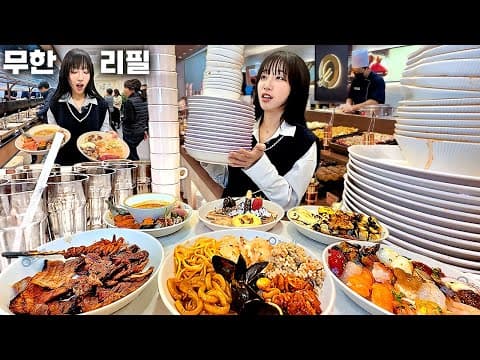
The highest-performing sponsored video was the Kookookoo buffet challenge (2.72M views). The "how many plates" hook leads the title, with the brand name placed at the end. It earned 41,400 likes and 1,534 comments.
Non-Food Brands Outperform Food Brands
You might assume a food channel works only with food brands. The data says otherwise.
쯔양 협업 브랜드 유형별 평균 조회수
* Source: Dhesy
| Category | Brands | Avg Views |
|---|---|---|
| Food Brands | 6 | 1,202,320 |
| Non-Food Brands | 5 | 1,941,277 |
Non-food brands (Yogiyo delivery app, Woori Bank, Buan County, JisaengJiwel home appliances, Yangpo Port) averaged 1.6x more views than food brands.
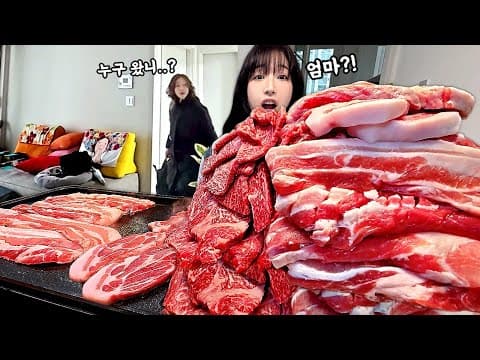
"Mom caught me grilling 3kg of meat at home" was sponsored by JisaengJiwel, a home appliance brand. It earned 2.62M views. The title frames it as a mukbang story, while the video naturally features a mini range hood and steam cleaner. The mukbang format creates usage context for non-food products.
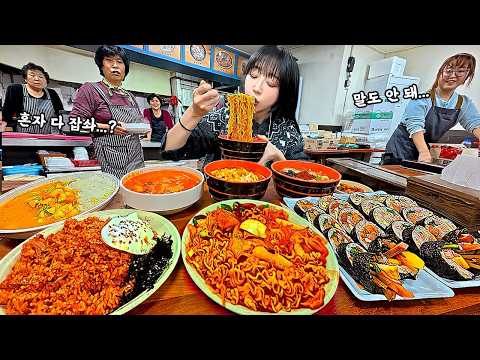
A Woori Bank history museum visit (1.72M views) follows the same pattern — large portions at a local restaurant, with the bank sponsorship woven naturally into the story.
When This Strategy Doesn't Work
Tzuyang's data is compelling, but generalizing requires caution.
This model depends on the mega-eater persona. Viewers come for the sheer volume of food consumed, and brands get exposure in the process. Copying the format without the character anchor would likely produce different results.
Whether 25% is sustainable remains unclear. At 11 of 44 videos, that's roughly one sponsored video per week. Pushing the ratio higher could trigger viewer fatigue.
The comparison to ASMR channels also needs nuance. ASMR structurally cannot integrate brands — those channels don't choose not to do deals, they can't. Tzuyang's results reflect format selection as much as individual execution.
Takeaways for Marketers
For advertisers, the lesson is to work within a creator's existing format rather than requesting standalone reviews. Non-food brands outperformed food brands because the unexpectedness of their appearance in a food context became content value itself.
For creators, maintaining views at high collaboration rates comes down to titles. Only 9% of Tzuyang's sponsored titles (1 of 11) included the brand name. Applying the same curiosity-driven framework to sponsored content prevents the ad penalty.
FAQ
Q. What is Tzuyang's estimated sponsorship rate?
A. Based on Dhesy data, Tzuyang's estimated CPV (cost per view) is approximately KRW 3,761, with an estimated per-video rate of around KRW 5.66 million. Actual rates vary by contract.
Q. What industries does Tzuyang partner with most?
A. Of 11 deals in three months, 6 were food brands (55%) and 5 were non-food (45%) — including a delivery app (Yogiyo), banking (Woori Bank), local government (Buan County), and home appliances (JisaengJiwel).
Q. Do other large food channels do brand deals?
A. Among the top 10 food channels, only Eat with Boki (4 deals, 9.5%) and Ssoyoung (2 deals, 6.7%) have any. The remaining seven have 0%.
Q. Is Tzuyang's sponsored engagement rate lower than non-sponsored?
A. Engagement rate is 2.18% for sponsored and 2.59% for non-sponsored — a 0.4pp gap. However, view counts are virtually identical: 1.53M sponsored vs 1.52M non-sponsored.
Methodology: Based on Dhesy platform data covering 2,326 brands and 5,997 collaborations. Analysis period: January 11 to April 11, 2026. Data source: Dhesy External sources: Gallup Korea (2024 YouTuber preference survey), InsightKorea (GS25-Tzuyang collaboration report) Last updated: April 11, 2026